In the global confectionery market, visual impact is the primary driver of consumer purchase intent. However, achieving vibrant, consistent shades using Natural Colorants—rather than synthetic dyes or simple coloring foods—requires a deep understanding of molecular stability.
At BioconColors, we engineer natural color formulations designed to withstand the chemical and physical rigors of confectionery production, ensuring a “multi-sensory” experience that meets the highest technical standards.
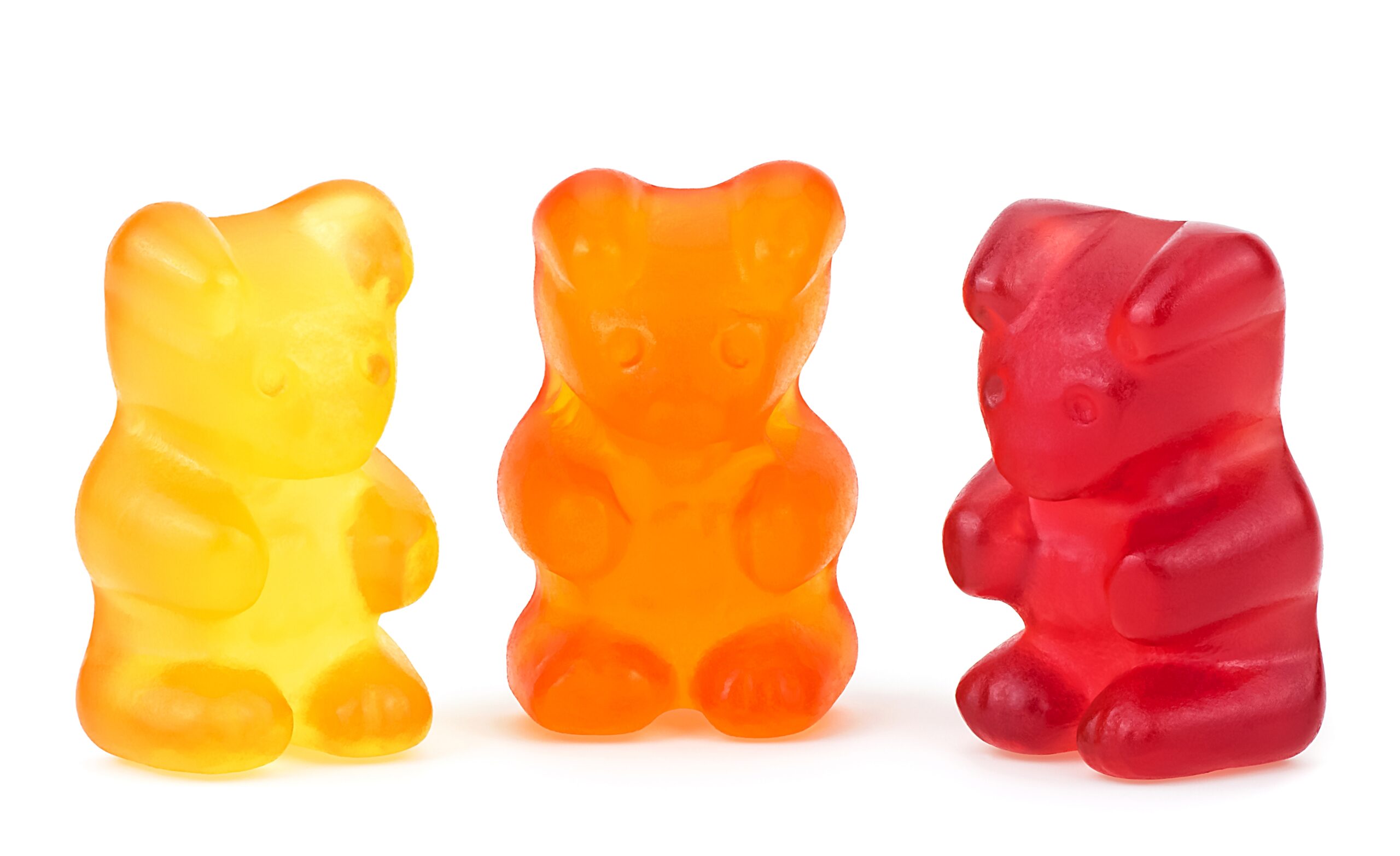

The Science of Stability: Overcoming Application Challenges
While many suppliers offer standard extracts, BioconColors focuses on the technical hurdles unique to sugar-based matrices. We provide solutions for the three most critical variables in confectionery stability:
1. Thermal Stability (Heat Resistance)
-
Many natural pigments, particularly certain anthocyanins, can degrade or shift in hue when exposed to high temperatures.
-
The Challenge: Hard-boiled candies are often processed at temperatures reaching 140°C to 150°C. At these levels, Maillard reactions (browning) can occur, and sensitive natural colors may fade.
-
The Biocon Solution: We utilize heat-stable pigments like curcumin (Turmeric) and specific carotenoids that are encapsulated or formulated to withstand high-heat processing without losing their chromatic intensity.
-
2. pH-Sensitivity and Color Shifting
-
The acidity of a confectionery matrix (especially in sour gummies or fruit-flavored candies) significantly impacts the final shade.
-
The Challenge: Anthocyanins (derived from sources like Black Carrot or Elderberry) act as natural pH indicators. In a low pH (acidic) environment, they appear bright red, but as the pH rises, they can shift toward purple or blue.
-
The Biocon Solution: Our specialists calibrate the formulation to the exact pH-value of your recipe (e.g., pH 3.0 for gummies), ensuring the color remains consistent and predictable throughout the production cycle.
-
3. Light Stability and Oxidation
Confectionery is often sold in clear packaging, exposing the natural pigments to UV light, which can cause rapid fading (photodegradation).
-
The Challenge: Natural yellows and greens are particularly susceptible to light-induced oxidation, leading to a “washed-out” appearance on the retail shelf.
-
The Biocon Solution: By selecting light-fast sources and incorporating natural antioxidants or specific fruit and vegetable concentrates, we enhance the light-stability of the formulation, ensuring the product looks as fresh at six months as it did on day one.
Application Table
Hard & Soft Candy / Coating / Chocolate
Explore our specialized natural color formulations engineered for the high-performance demands of confectionery production. From heat-stable pigments for hard-boiled candies to moisture-resistant natural dispersions for chocolate coatings, select a category below to view detailed technical specifications, stability profiles, and application-specific solutions.
Natural Colors for Hard & Soft Candy
| Product Type | Concentration % | Color Shade | Stability | Solubility | |||
| pH | Heat | Dispersible | Soluble in: | ||||
| Hard & soft candy / Coating | |||||||
| Beta Carotene powders | 1 | Light – bright yellow | 3.0 – 8.0 | Good | —- | Water | |
| Safflower powders | 27 – 33 | Bright yellow | 3.0 – 8.0 | Excellent | —- | Water | |
| Turmeric emulsions | 5 – 10 | Bright yellow | 3.0 – 8.0 | Good | Fat | Water | |
| Carmine & annatto liquid blends | Formulations | Peach – Orange | 4.0 – 13.0 | Good | —- | Water | |
| Annatto – Bixin – Norbixin emulsions | 2.5 – 3.5 | Dark yellow – orange | 3.0 – 8.0 | Good | Fat | Water | |
| Black carrot powders | 8 – 12 | Light – dark pink | 3.0 – 7.0 | Good | —- | Water | |
| Carmine liquids | 1 – 20 | Pink – red – light to dark purple | 3.0 – 8.0 | Excellent | —- | Water | |
| Carmine & turmeric liquid blends | Formulations | Light – dark red | 3.0 – 8.0 | Good | —- | Water | |
| Chlorophyll liquids | 10 | Light – dark green | 3.5 – 8.0 | Good | —- | Water | |
| Spirulina powders | 5 – 19 | Light – dark blue | 3.5 – 8.0 | Low | —- | Water | |
| Carbon black powders | 95 – 100 | Gray – dark black | 3.5 – 8.0 | Excellent | Oil / Water | —- | |
| Carbon black liquids | 15 | Gray – dark black | 3.5 – 8.0 | Excellent | Oil | Water | |
Natural Colors for Chocolate
| Product Type | Concentration % | Color Shade | Stability | Solubility | ||
|---|---|---|---|---|---|---|
| pH | Heat | Dispersible | Soluble in: | |||
| Chocolate | ||||||
| Carmine oil suspension | 5 – 10 | Pink – Strawberry red | 3.0 – 8.0 | Good | Fat | —- |
| Carmine lake fine powder | 50 – 52 | Purple | 3.5 – 8.0 | Good | Fat | —- |
| Turmeric emulsion | 5 – 10 | Bright yellow | 3.0 – 8.0 | Good | Fat | Water |
| Beta carotene suspensions | 30 | Yellow – orange | 3.0 – 8.0 | Good | —- | Oil |
| Annatto – Bixin emulsions | 2.5 | Yellow – orange | 3.0 – 8.0 | Good | Fat | —- |
| Chlorophyll liquids | 7 | Green | 3.5 – 8.0 | Good | —- | Oil |
| Chlorophyll – Turmeric liquid blends | Formulations | Bright Green | 3.5 – 8.0 | Good | Fat | —- |
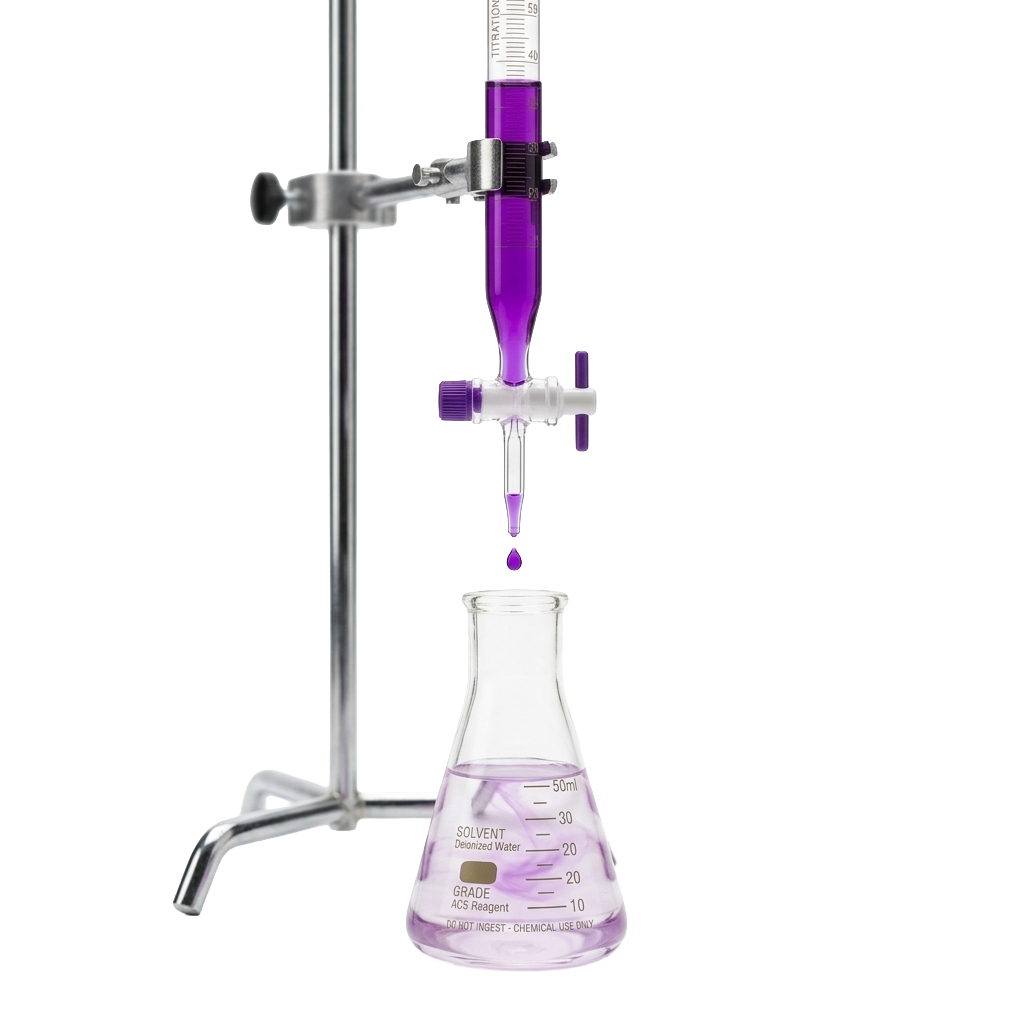
Specialized Application Expertise
We offer targeted natural color systems for the full spectrum of confectionery formats:
-
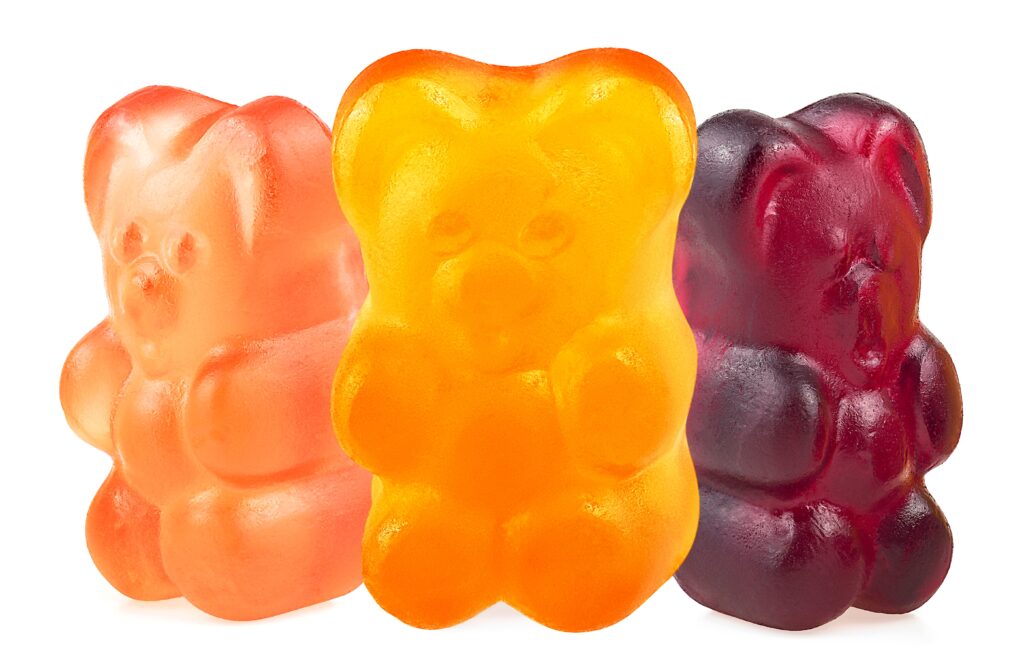
Starch & Pectin Gummies: High-clarity liquid colors that prevent “bleeding” or color migration in multi-layered or center-filled products.
-
Hard-Boiled Candy: Heat-stable, high-intensity pigments that offer a transparent, jewel-like finish.
-
Panned Goods & Dragées: Fine-milled Natural Dispersions and Lakes designed for sugar or polyol coatings. These provide high opacity, preventing the “mottled” look often seen with inferior natural extracts.
-
Aerated Confectionery: Specialized formulations for marshmallows and nougats that maintain color intensity even after high-speed aeration.
Custom Formulation Strategy
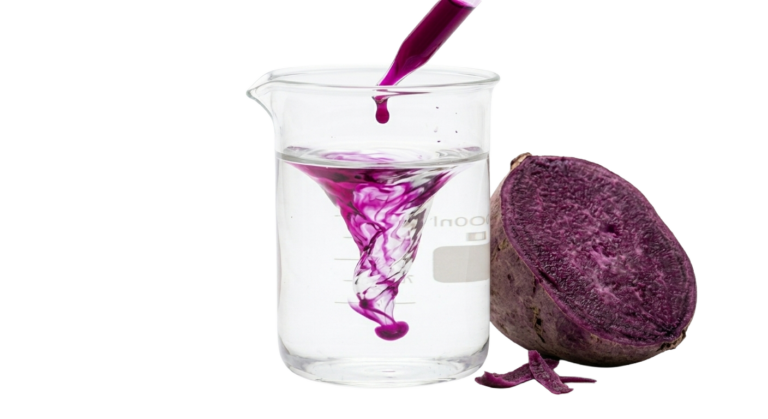
We don’t just supply ingredients; we provide technical partnership. Our lab evaluates your specific recipe—considering Brix levels, moisture content, and packaging—to develop a custom natural color formulation that guarantees performance.