
Natural Color Solutions for Industrial Applications
Where natural integrity drives brand success, BioconColors delivers on that promise. With over 40 years of expertise as pioneers in natural colors, we bridge the gap between complex pigments of natural origin and reliable industrial solutions.
We make “Nature Easy” by navigating technical challenges, transforming raw materials into functional and stable natural colors for the food, beverage, cosmetic, and pharmaceutical industries. Our carefully selected ingredients help ensure the certainty and transparency today’s discerning consumers demand.

Explore our portfolio of Natural Colors below.
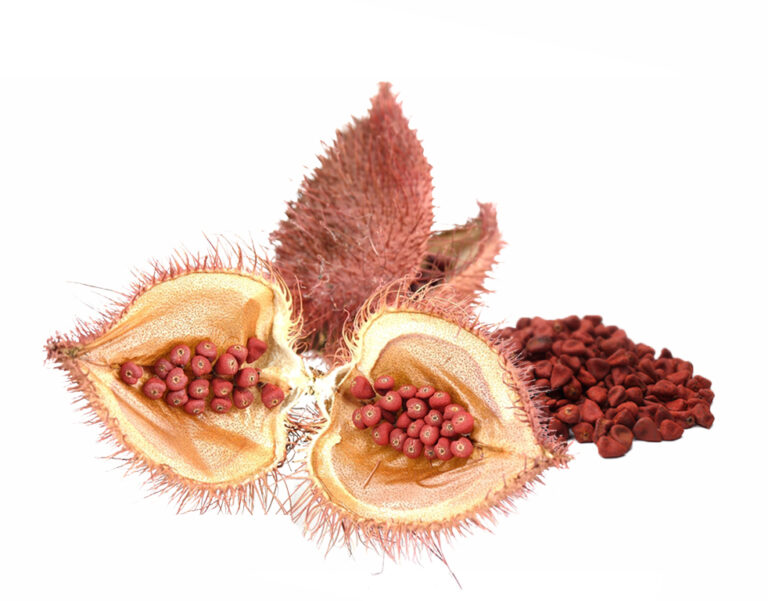
Annatto
Pigment: Bixin – Norbixin | Color: Yellow – (Red)Orange
pH: 2.5 – 10.2 | Heat: ***** | Light: ***** | Bixin 0,2 – 28% & Norbix: 0,5 – 42% | Label: E160b(i) – E160(ii)
Annatto colors technically allow almost any food to be colored in shades, ranging from yellowish to deep, dark orange.
- Annatto colorants provide warm yellow to deep orange shades in a wide range of food applications. Being derived from seeds, they are particularly well-suited for use in vegan products
- BioconColors offers a full range of annatto color solutions including water and oil-soluble/ suspensions, acid-stable and encapsulated formulations.
Applications
Annatto is used in a wide range of food applications, like yogurts, ice cream, processed cheese, bread crumbs, sausage casings, margarines, bakery powders and beverages
Cochineal
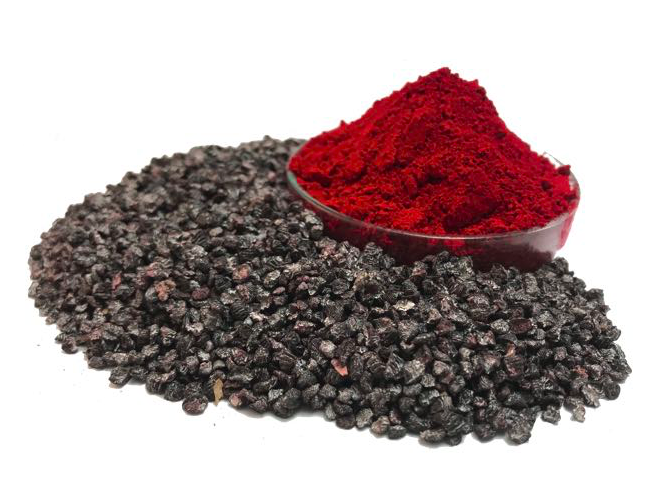
Pigment: Carminic Acid / Carmine | Color: Orange – Red – Purple – Violet
pH: 2.5 – 10.2 | Heat: ***** | Light: ***** | Carminic Acid content: 0,5 – 90% | Label: E120
Carmine is one of the most stable red natural colors available and is an excellent replacement for artificial food colors. The color shade is pH-dependent, ranging from orange to red bluish. BioconColors offers a complete range of effective, high-quality carmine solutions.
Applications
With it’s bright red stable shade, carminic acid and carmine natural colors are used in many different food applications, like beverages, meat, spice blends, dairy products, confectionery and cosmetics. Have a look at our NATRUE approved carmine natural shades for cosmetic applications
Tumeric
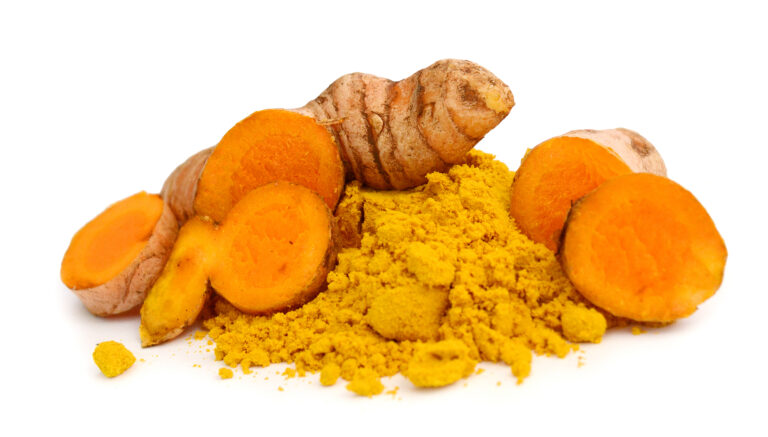
Pigment: Curcumin | Color: (bright) Yellow
PH: 2.5-7.0 | Heat: ***** | Light: ***** | Curcumin content: 8.0 – 9.0% | Label: E100
Curcumin is used by BioconColor in its formulated color solutions. Curcumin is the principal curcuminoid of the popular Indian spice turmeric. The curcuminoids are natural phenols that are responsible for the yellow color of turmeric.
Applications
Curcumin is used in for formulations in beverages, condiments, jams, jellies, marmalades, confectionery, dairy products, fish products, dietary supplements, processed meats and vegetables.
Purple Corn
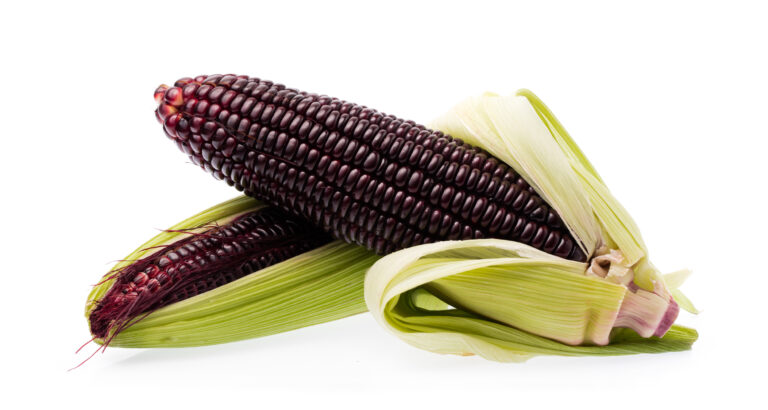
Pigment: Anthocyanin | Color: Purple – Red
pH: 1.8 – 2.8 | Heat: ***** | Light: ***** | Color Strength: 8 – 11% | Label: Vegetable Extract – Clean Label
Purple corn has one of the deepest shades in found in plants. Due to its richness in purple color, purple corn pigments have long been used to color foods and beverages.
Applications
The anthocyanin-rich coloring is suitable for use in juice drinks, energy/sport drinks, fruit preparations, salad dressing, snacks cereals, fruit preparations, yogurt, ice cream and confectionery.
Purple Sweet Potato
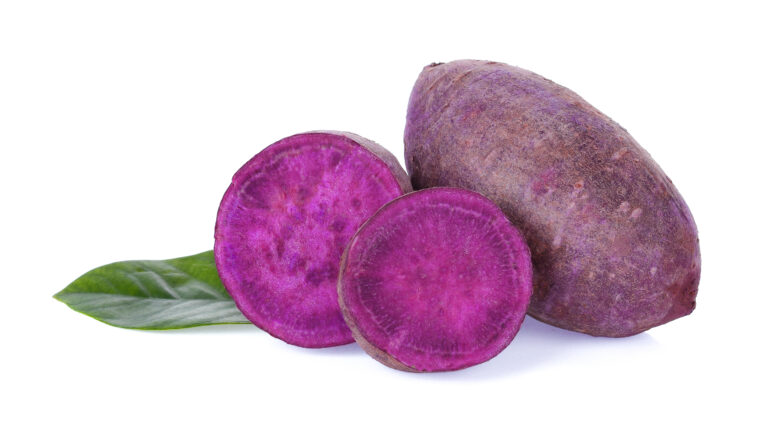
Pigment: Anthocyanin | Color: Pink – Red- Violet
pH: 2.0 – 6.0 | Heat: ***** | Light: ***** | Label: Vegetable Extract – Clean Label
Purple sweet potato is a widely sourced natural food coloring, providing shades ranging from raspberry pink to red and violet depending on the pH of the application. Its neutral flavor makes it well-suited for use as a food colorant in a wide variety of products.
Applications
The anthocyanins, which give the purple sweet potato its color, have good light and heat stability making it suitable for the use in beverages, fruit bases, baking, and confectionery.
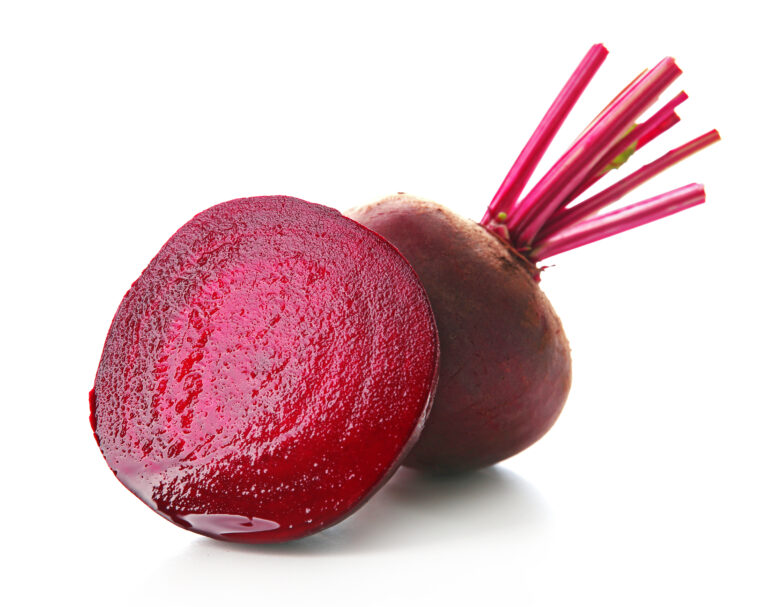
Beetroot
Pigment: Betanin | Color: bright red to bluish red
pH: 3.0 – 7.0 | Heat: ***** | Light: ***** | Color Strength: 3.0 – 6.0 | Label: Vegetable Extract – Clean Label
Beetroot is a widely used natural food colorant. The main coloring compound is the betanin, which, depending on the pH of the application, gives an intense red to voilet color shade. Beetroot is available in liquid and powder form and depending on the processing, can be considered as a coloring foodstuff.
Applications
Beetroot is used in meat and meat replacers, ice cream, bakery cream fillings and confectionery. For cosmetics, BioconColors offers the NATRUE certified Huemax BRB quality.
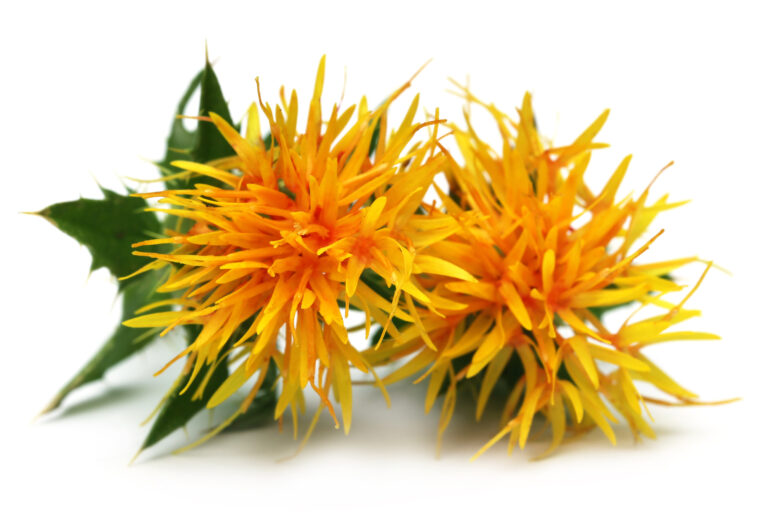
Safflower
Pigment: Carthamidin| Color: Dark Yellow
pH: –| Heat: ***** | Light: ***** | Color intensity: approx. 20 – 30 | Label: Flower Extract – Clean Label
Safflower is a plant-based food colorant obtained from the petals of the safflower flower. It provides bright yellow to orange shades, making it an attractive alternative to synthetic yellow colorants. The coloring compounds in safflower are primarily carthamin and other natural pigments that offer good stability in a range of food applications.
Applications
Safflower is commonly used to color beverages, rice, sauces, dairy products and confectionery.
Spirulina
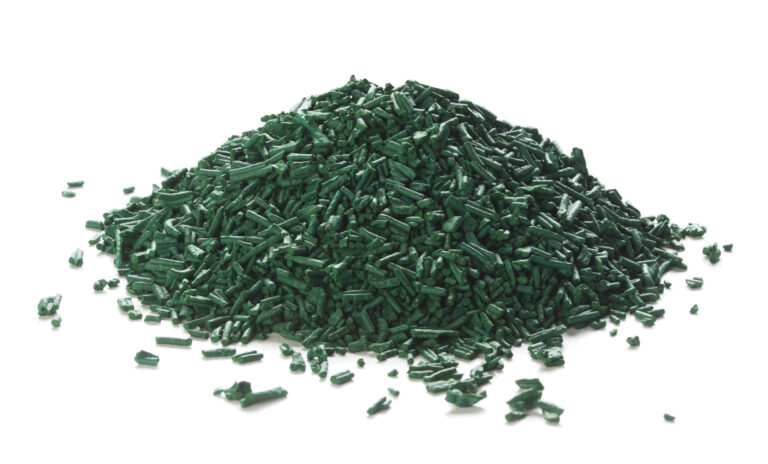
Pigment: Phycobilins | Color: Green – Blue
pH: 10%: 5.0 – 6.5 | Heat: ***** | Light: ***** | Color Value: 180Unit | Label: Spirulina Extract- Clean Label
Spirulina (Arthrospira platensis) is a blue-green algae that grows naturally in freshwater. Spirulina has an extensive track record as a food supplement in many cultures. Spirulina contains green chlorophyll and phycobilins (a pigment–protein complex). The coloring properties of spirulina are the phycobilins, these are blue phycocyanins that on extraction create a range of blue hues. Spirulina color extract is available as a powder or liquid.
Applications
Spirulina color extract is primarily used in confectionery, yoghurts, ice cream, frozen desserts, dessert toppings, dry beverage, gelatin, puddings and custards. Spirulina color extracts are natural alternatives to replace synthetic coloring blends like e.g. Brilliant Blue.
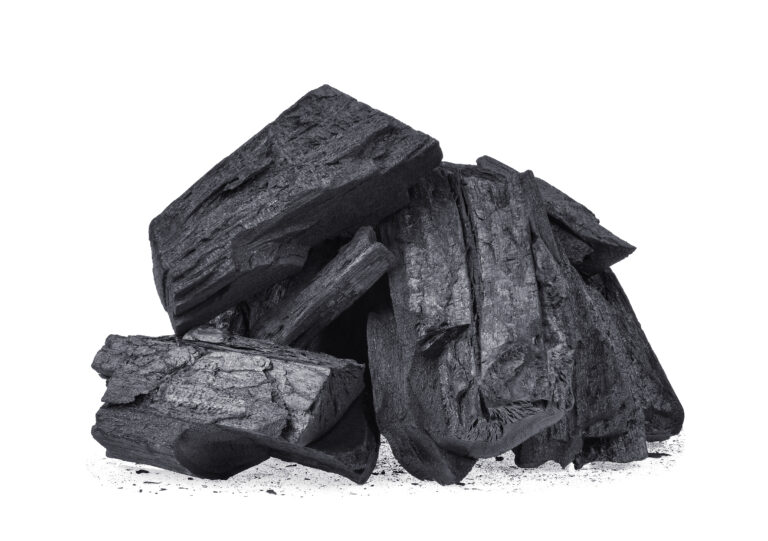
Vegetable Carbon
Color: Grey – Black
pH: 1%: n/a | Heat: ***** | Light: ***** | Color Strength: >12%| Label: E153
Vegetable Carbon ( Carbon black) is made from fine particles of carbonized vegetable material, obtained through steam activation of vegetable fibres like e.g. peat, nut shells, wood and cellulose residues.
Applications
Typical applications include confectionery, bakery products, decorations, cheese coating, black caviar substitute, cosmetics, and pharmaceuticals.
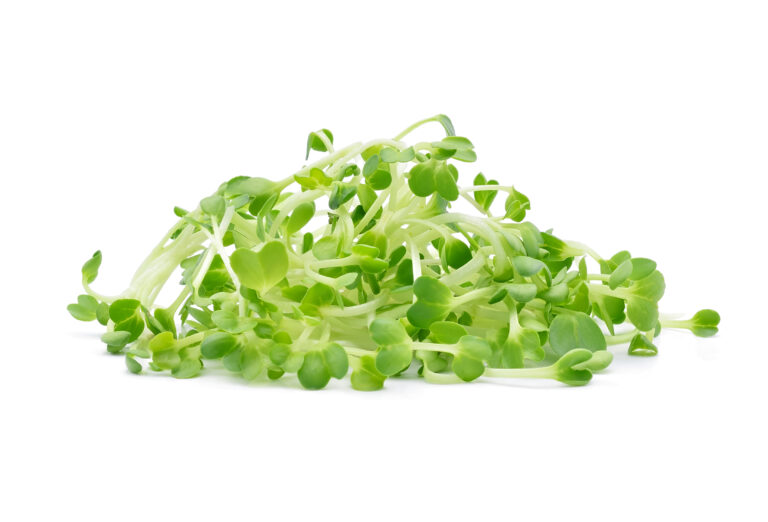
Chlorophyll
Color: Green
pH: (1%) max 10 | Heat: ***** | Light: ***** | Color Value: Min:10% | Label: E140i
Chlorophylls are a group of naturally occurring pigments produced in all photosynthetic plants including algae and some bacteria. Chlorophyll is mainly extracted from alfalfa (Medicago sativa), nettles (Urtica dioica) or grasses. When used as food coloring Chlorophyll is processed to replace a magnesium atom at its center with a copper atom, which makes it more stable and also able to dissolve in water.
Applications
Chlorophyll is used in nutritionals drinks, ice cream, chocolates, dairy products and certain cheeses
Blends & Formulations
Nature’s Palette Perfected by Science
In addition to our single source natural colors, we develop tailored made natural color formulations by combining multiple natural color products into different color blends. Custom natural color solutions are tailored to your application and production process and are developed to trigger exactly the right emotions and associations with your consumers.